Showing posts with label nettles. Show all posts

Friday, 14 September 2018

Foraging: A beginner’s guide

Foraging: A beginner’s guide

Ever wondered how to forage for freshly-grown seasonal produce out in the wild? Here, we give you the golden rules of foraging, explaining what to pick when. 
Foraging: A beginner’s guide
One of the most enjoyable things about foraging is the way it compels a greater awareness of one's surroundings – the need to slow down, pause and look. I've been foraging for about 10 years and during that time I've managed to turn my home town into a kind of seasonal wild supermarket – I have 'aisles' for nettles, hop shots and three-cornered leek in spring, elderflowers and lime leaves in summer and walnuts, hawthorn berries and wild cherry plums in autumn. Come June, you'll find me gathering cherriesin a quiet corner of the local park, assuming I've managed to get there before the birds.

What is foraging?

Foraging is the act of gathering wild food for free. Although it's gained far greater popularity in recent years, for our distant ancestors foraging would simply have been a way of life – a necessity in fact. As recently as World War 2, collecting wild rosehips to make syrup became an important way of supplementing vitamin C intake when the importation of fruits such as oranges was widely restricted. 

Five things to forage

Nettles

Nettles
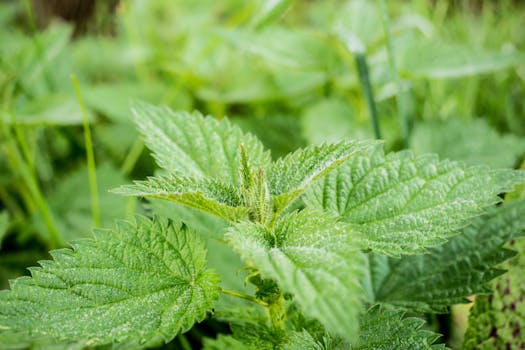
One of the easiest wild greens to identify, a pair of thick gloves in the foraging bag are a must when picking stinging nettles. Early spring is the best time to pick them: choose young, pale green nettle tops – after about late May/June onwards they'll be getting a bit tough and stringy. Never pick when they are in flower and handle with care until cooked – this will remove the sting. 

How to cook with nettles:
Nettle gnudi with wild pesto
Nettle & blue cheese rarebit
Nettle soup
Nettle ravioli


Wild garlic

Wild garlic
A real lover of wet ground, you'll often find wild garlic (or ramsons as they are also known) carpeting the banks of streams and rivers. Pick young leaves from late March onwards, while the little white flowers that appear later in the season add a gentle garlic flourish to a spring salad.

How to cook with wild garlic:
Wild garlic crusted salmon
Wild garlic chicken Kiev
Wild garlic & nettle soup


Elderflowers 

Elderflowers
If ever there was a flower to mark the move from spring to summer, it's elderflower. Find them from around late May to early July. The most common use is to make them into a cordial, but elderflower fritters are more than worth the effort if you're feeling a bit more adventurous. The elder tree yields a double crop, elderberries being a valuable addition to the autumn kitchen later in the year.


Blackberries

Blackberries
Many people can remember picking blackberries in their childhood. They're easy to identify and pretty abundant in the autumn months. I find that they freeze well and I always make sure to have a frozen stash at hand to last me through the winter.

How to cook with blackberries:
Frozen blackberry yogurt
Bramley & blackberry pie
Our best blackberry recipes
Top 10 ways to serve blackberries
How to pick and cook blackberries


Sweet chestnuts

Chesnuts
There are plenty of wild nuts to be had during autumn, but the squirrels get most of the hazelnuts near me so sweet chestnuts are my go-to crop. Great for pestos and stuffings or simply scored, roasted and eaten on their own.


What to avoid

While the five foods that I've outlined are a relatively safe bet in terms of indentification, it goes without saying that you need to be 100% sure that what you're eating is definitely what you think it is. For instance, wild chervil is a delicious herb, but it also looks almost indentical to hemlock, a deadly plant that will dispatch you into the realm of 'rookie ex-forager' with an alarming degree of haste. Even if you're completely sure that you've got the right thing, it's standard practice to try a small amount first to rather than dive straight into a bowlful of what you've just found. 
Blackberries on a bush


Where can I forage?

While foraging in public spaces and footpaths is perfectly legal, this isn't the case on private land without the permission of the owner, so do ask first. I actually do a fair bit of foraging in my own back garden. Wild seeds invariably find their way in and all manner of things start to appear if I'm a bit behind on my weeding duties.

Where not to forage

While I probably don't need to expand on this too much, when foraging along public footpaths, be wary of spots that could possibly be at 'dog lavatory height'. Also be mindful of areas that are near busy roads as the taste of exhaust fumes won't be a great addition to your wild supper. Finally, if you do find a special patch of an amazing wild food, pick with discretion – this isn't just about leaving some for other people. There's a good clump of jack-by-the-hedge near where I live, but I also know that it's the primary food source of the orange tip butterfly - I always make sure to leave plenty for the caterpillars too.

Wednesday, 11 July 2018

10 Most Useful Plants and Trees For Survival Found in the Wild

10 Most Useful Plants and Trees For Survival Found in the Wild

wild plants and treesSurvival skills are something we all need to have, but don’t think are important until that moment arises when we are lost in the wilderness.
Hopefully an emergency situation like this won’t arise for you, but in the event it does, here are the most useful plants and trees that grow in the wild that will help you survive.
They are broken down into two categories, with the benefits of each type listed below.

Survival Trees That Grow in the Wild:

Dogwood trees. These type of trees, often found as members of a deciduous forest, thrive in humid, moist conditions. While they’ve been admired for their beauty (and are still celebrated and recognized as picturesque trees today), dogwoods are also immensely useful.
Native Americans have used a variety of different parts of the dogwood for medicinal purposes, and in a modern-day survival situation, we can do the same.
You can boil the bark and leaves of the tree to create a drink that helps with fevers and reduces chills. A dogwood’s branches make a good substitute toothbrush, as well. Chewing the branches causes the end of the stick to fray, and the soft wood acts as bristles so you can brush your teeth.
Walnut trees. Walnut trees are another type of deciduous tree with a variety of uses. They provide a great and healthy snack via the nuts they produce, but they’re much more than a source of food. The wood from these trees is sturdy and easy to work with, and the shells of the walnuts themselves can be used as a dye.
Of course, having fancy dye won’t help you survive in the woods. So instead, use the dried husks to make a medicinal drink. Apparently, it tastes terrible — but is an effective remedy for parasites. Fresh husks can work as an antiseptic on cuts and scrapes, too.
The walnut tree does fall short in one big way, however, the wood from the tree makes terrible firewood and doesn’t burn well.
Cedar trees. These trees are evergreens with an instantly-recognizable, strong smell. It’s that odor that makes cedar chips effective at repelling pests like ants and moths.
Like many other trees, the needles from cedars can make a tea. The brewed needles can help treat fungal infections that are easy to pick up in survival situations.
Where walnut trees fail at providing good firewood, cedar excels. The splintery bark of the cedar tree provides a great tinder for getting a good fire going. You can pull bark off the tree in strips, which also makes it useful for makeshift cords or even rope.
Willow trees. Willow trees have long been appreciated for their therapeutic properties. You can use the bark of the willow to relieve numerous illnesses and pains.
After boiling dried bark in water for fifteen minutes, the drink it creates can be used to help people suffering from headaches, fevers, and inflammation. The active compounds in willow bark act similarly to modern-day aspirin.

The Most Useful Plants in the Wild:

Yarrow. This herb is most often found in open spaces like meadows. It grows white flowers in clusters and stands tall at one foot or higher. The flowers are edible and can be used for homeopathic purposes, too. Brewing them and then drinking them as a tea can help relieve colds and flus and can even soothe an upset stomach.
Yarrow is a multi-purpose plant, which makes it even more valuable for survival. Applying the leaves of the herb to open or bleeding wounds not only stimulates clotting but also serves as an antiseptic.
Rose hips. When you think “survival,” your mind probably didn’t jump to “roses.” But rose plants found in the wild do bear fruit that people can use.
The fruits, called rose hips, brew down to make teas people drink even when they’re not in a survival situation. They’re highly nutritious, containing plenty of vitamins, and can be drank in tea form or eaten when ripe.
Before you consume a rose hip in any way, remove the blossoms and the stems. You might want to dig out the seeds as well, as they can cause stomach irritation to some.
Nettles. Although nettles are weeds (often called “stinging nettles” because they hurt if you brush by them with bare skin), you can put them to work for you in the wild.
They’re covered in fine hairs, which is what causes that stinging sensation. Boiling the stalk, leaves, and even the root of the weed will not only take away the sting, but also create a tea that can help treat digestive issues and upset stomachs.
If you suffered a cut or have an infected wound, nettle leaves can clean it. And you can weave the inner stems of the nettle stalk, once dried, into cords or ropes.
Cattails. Out of all the wild plants you can find to use, cattails may be the most prized among survivalists. You can easily identify mature cattails and should seek these out; younger plants are easier to confuse with plants that are toxic to consume.
You can eat both the stems and the roots of cattails. They’re even safe to eat raw (but might be easier to get down if they’re boiled first). Cattail pollen can be used like flour, and their flowers are edible too if you roast them.
If you need shelter, the long leaves of the plant can be woven together for protection from the elements or you can use them as floor mats.
Cattail roots, once cut open and mashed, can be applied to wounds, burns, and bug bites. The stems also produce a substance that looks like honey and has antiseptic properties.
Dandelion. Craving a salad? All parts of the dandelion are edible, and it’s another one of the wild plants that is actually used in non-survival settings from time to time.
You can eat dandelion leaves raw or you can cook them like you would spinach or kale. The roots should be boiled, and once ground up, they make a good coffee substitute.  Additionally, you can also crush the stems of the weed and use the liquid inside as a glue.
Pineapple Weed. Pineapple weeds are named appropriately: the yellow bulbs at the end of their stems look like miniature pineapples.
You can eat both the leaves and the flowers of the plant raw. If you dry out the flowers, you can then grind them up and use the powder like a flour for baking. The leaves can also be brewed in a tea or infused (by soaking in water without boiling) to relieve digestive discomfort.

Tuesday, 1 May 2018

12 Surprising Benefits of Nettle Tea You Should Know

12 Surprising Benefits of Nettle Tea You Should Know


Free stock photo of nature, plant, leaf, green


Nettle is also known as Urtica dioica in Latin and has a rich herbal legacy. It has been used as a diuretic since medieval times in Europe, and it is a great tonic for women. If you have access to fresh plants, you can simply dry nettle leaves in the sun for your cup of nettle tea. Each cup of nettle tea contains vitamins A, B, and K, riboflavin, niacin, folate, carbohydrates (71.33%), fat (2.36%) and proteins (25.8%). It is also rich in minerals like calcium, iron, potassium, phosphorus, manganese, zinc, copper and magnesium.
Nettle is highly recommended for its nutritional and medicinal values, but what are the benefits of nettle tea? Let’s find out.

1. Preventing kidney stones and other urinary and bladder problems.

Nettle tea is a natural diuretic that allows proper fluid flow in the kidneys and bladder, thus preventing the formation of kidney stones.The Journal of Herbal Pharmacotherapy states that nettle tea can flush out toxins from the urinary tract and also support the medicines used to treat urinary tract infections.

2. It acts as a natural pain killer that eases arthritis pains and muscle aches.

Nettle has been used since time immemorial to treat arthritis, states the University of Maryland Medical Center. Studies support the finding that the external application of nettle leaf extracts can help to relieve joint pains. Also, taking nettle leaf tea and extracts alongside nonsteroidal anti-inflammatory drugs (NSAIDs) helps people to reduce their NSAID dose.

3. It can cure eczema and other skin diseases.

Do you know that drinking nettle tea helps to flush out toxins from the body? This gives you blemish-free skin and helps to treat eczema.

4. Use it as a natural cure for allergies.

Nettle tea both prevents and cures allergies that happen with seasonal change, like itching, allergic rhinitis and sneezing. Nettle helps to reduce the amount of histamine the body produces in response to the allergen, so doctors prescribe freeze-dried nettle to prevent the onset of hay fever.

5. Treatment of benign prostatic hyperplasia (BPH).

The University of Maryland Medical Center points out that stinging nettle root is used to treat BPH in Europe. Laboratory studies show that nettle can work like finasteride (a medicine used to treat BPH) in slowing the multiplication of prostate cells, though it doesn’t reduce the size of the prostate gland. Scientists are not sure how nettle reduces the symptoms of BPH, so more research is required in this field.

6. A good tonic for women.

Nettle tea is rich in iron and helps to fight anemia. Pregnant women should drink nettle tea to prevent bleeding and makes the fetus strong. Nettle also functions as a galactagogue, that is, a substance that stimulates milk production in nursing mothers. Young women can also drink nettle tea to prevent the bloating and cramps that accompany the onset of the menstrual cycle. It reduces fibroids and regulates the menstrual flow and prevents menopause symptoms in women by processing estrogen.

7. It’s good for digestion.

Drink nettle tea to get relief from indigestion, nausea, excess gas, nausea, colitis and celiac disease. It also prevents diarrhea by killing intestinal worms and parasites.

8. It lowers blood cholesterol levels.

Nettle contains beta sitosterol, this aids in lowering the body’s absorption of cholesterol and thus ensures a healthy heart and arteries.

9. It maintains proper cell structure.

Nettle is rich in flavonoids like quercetin, which have antioxidant properties. Nettle tea extracts help protect your DNA and cell membranes from damage caused by free-radicals.

10. Prevention of diabetes and blood pressure issues.

Drinking nettle tea will bring down blood sugar or glycemic levels. The natural diuretic properties also help to maintain blood pressure.

11. It reduces internal bleeding.

Drinking nettle tea is known to lessen uterine bleeding, nose bleeds, and bleeding in the bowel, although please don’t neglect to see a medical professional if you have any unexplained internal bleeding! You can also use nettle tea to treat minor bruises.

12. It’s good for oral hygiene.

Your mouth reveals a lot about your health and poor oral hygiene can really adversely affect your well-being. Gum problems like gingivitis and plaque can cause halitosis and mouth sores. Prevent gingivitis by using nettle tea extracts with your mouthwash while gargling.

Preparation and side effects.

Nettle leaf can be use externally as an ointment and also consumed as nettle tea. To make nettle tea, just steep one to two teaspoons of dried nettle leaves in boiling water for 5–10 minutes and your wonderful cup of nettle tea is ready! You can add nettle root tinctures for added benefits. You can also flavor your cup of nettle tea with lime and honey. This herbal panacea is a one stop solution for almost all health troubles!
As with any herbal or medical treatment, it doesn’t always agree with everyone, and drinking nettle tea may cause stomach aches in some. Pregnant women and nursing mothers should also consult a doctor before trying out nettle tea. Though it is safe to use on children you should still consult a pediatrician before adding it to their diets.
Carry nettle leaf tea bags whenever you travel. Make it your constant companion for a healthy future!

Tuesday, 20 March 2018

March free wild food foraging #wheresmyfoodfrom

I’m taking part in the Live Happerley Challenge to know where all my food comes from. I’m doing it on a tight budget though and any free food is good food. It is early March and there is not much growing in my garden. The local parks are starting to grow a couple of very useful edible plants though. They are easy to identify, easy to cook and easy to find.
With any foraging for wild food avoid areas where dogs might have peed. Avoid plants growing by busy roads if you can. Take gloves and a bag to put your foraged food into and wash well when you get it home.

Nettles

nettles
If you are new to foraging, nettles are a brilliant place to start. They are unmistakable and you have to pick them carefully so you will not pick anything else by accident. They are also really simple to cook.
Nettles love rich soil so if you have them in your garden it is a good sign. In towns you can often find them in parks and in any rough ground. Young nettles cook up to be a little like spinach. You just need the newest top 3 or 4 leaves. You should be able to just pinch them off. If you don’t have gloves you can get away with grabbing the stinging nettle very firmly. This is not guaranteed but the stings hurt more if they just brush the skin.
  • Soaking nettles takes away the sting.
  • Steam or saute the young nettle leaves or add to a curry or stew.
  • Mash up with nuts and garlic to make pesto.
  • Dry the leaves for a supply of nettle tea, just add hot water.

Ramsons

Wild garlic grows in shaded areas, often near water. Lily of the Valley looks a lot like Ramsons but is poisonous. Only Ramsons smell garlicy so as long as you pick each leaf individually you should be ok. If you are in any doubt, don’t risk it. Paul Kirtley has a detailed post that will help you easily identify the safe Wild garlic and avoid the unsafe Lily of the Valley. If you have never seen them before please do a little research, follow my links at least so you are less likely to make a mistake.
The Wild Food website has lots of information about Ramsons, and there is a detailed look at them in this video from MCQ Bushcraft.

If you like garlic, you will love Ramsons. They make great pesto – with any nuts so no need to go to the expense of pine nuts. They wilt down as a side dish, stir fry well and are fantastic chopped into bread dough.

Wild Camping Tips and Kit List

The first rule of Wild Camping club is...  actually really simple! Leave No Trace: if you take it in, you carry it out. What is wild camp...