Showing posts with label Dandelions. Show all posts

Wednesday, 11 July 2018

10 Most Useful Plants and Trees For Survival Found in the Wild

10 Most Useful Plants and Trees For Survival Found in the Wild

wild plants and treesSurvival skills are something we all need to have, but don’t think are important until that moment arises when we are lost in the wilderness.
Hopefully an emergency situation like this won’t arise for you, but in the event it does, here are the most useful plants and trees that grow in the wild that will help you survive.
They are broken down into two categories, with the benefits of each type listed below.

Survival Trees That Grow in the Wild:

Dogwood trees. These type of trees, often found as members of a deciduous forest, thrive in humid, moist conditions. While they’ve been admired for their beauty (and are still celebrated and recognized as picturesque trees today), dogwoods are also immensely useful.
Native Americans have used a variety of different parts of the dogwood for medicinal purposes, and in a modern-day survival situation, we can do the same.
You can boil the bark and leaves of the tree to create a drink that helps with fevers and reduces chills. A dogwood’s branches make a good substitute toothbrush, as well. Chewing the branches causes the end of the stick to fray, and the soft wood acts as bristles so you can brush your teeth.
Walnut trees. Walnut trees are another type of deciduous tree with a variety of uses. They provide a great and healthy snack via the nuts they produce, but they’re much more than a source of food. The wood from these trees is sturdy and easy to work with, and the shells of the walnuts themselves can be used as a dye.
Of course, having fancy dye won’t help you survive in the woods. So instead, use the dried husks to make a medicinal drink. Apparently, it tastes terrible — but is an effective remedy for parasites. Fresh husks can work as an antiseptic on cuts and scrapes, too.
The walnut tree does fall short in one big way, however, the wood from the tree makes terrible firewood and doesn’t burn well.
Cedar trees. These trees are evergreens with an instantly-recognizable, strong smell. It’s that odor that makes cedar chips effective at repelling pests like ants and moths.
Like many other trees, the needles from cedars can make a tea. The brewed needles can help treat fungal infections that are easy to pick up in survival situations.
Where walnut trees fail at providing good firewood, cedar excels. The splintery bark of the cedar tree provides a great tinder for getting a good fire going. You can pull bark off the tree in strips, which also makes it useful for makeshift cords or even rope.
Willow trees. Willow trees have long been appreciated for their therapeutic properties. You can use the bark of the willow to relieve numerous illnesses and pains.
After boiling dried bark in water for fifteen minutes, the drink it creates can be used to help people suffering from headaches, fevers, and inflammation. The active compounds in willow bark act similarly to modern-day aspirin.

The Most Useful Plants in the Wild:

Yarrow. This herb is most often found in open spaces like meadows. It grows white flowers in clusters and stands tall at one foot or higher. The flowers are edible and can be used for homeopathic purposes, too. Brewing them and then drinking them as a tea can help relieve colds and flus and can even soothe an upset stomach.
Yarrow is a multi-purpose plant, which makes it even more valuable for survival. Applying the leaves of the herb to open or bleeding wounds not only stimulates clotting but also serves as an antiseptic.
Rose hips. When you think “survival,” your mind probably didn’t jump to “roses.” But rose plants found in the wild do bear fruit that people can use.
The fruits, called rose hips, brew down to make teas people drink even when they’re not in a survival situation. They’re highly nutritious, containing plenty of vitamins, and can be drank in tea form or eaten when ripe.
Before you consume a rose hip in any way, remove the blossoms and the stems. You might want to dig out the seeds as well, as they can cause stomach irritation to some.
Nettles. Although nettles are weeds (often called “stinging nettles” because they hurt if you brush by them with bare skin), you can put them to work for you in the wild.
They’re covered in fine hairs, which is what causes that stinging sensation. Boiling the stalk, leaves, and even the root of the weed will not only take away the sting, but also create a tea that can help treat digestive issues and upset stomachs.
If you suffered a cut or have an infected wound, nettle leaves can clean it. And you can weave the inner stems of the nettle stalk, once dried, into cords or ropes.
Cattails. Out of all the wild plants you can find to use, cattails may be the most prized among survivalists. You can easily identify mature cattails and should seek these out; younger plants are easier to confuse with plants that are toxic to consume.
You can eat both the stems and the roots of cattails. They’re even safe to eat raw (but might be easier to get down if they’re boiled first). Cattail pollen can be used like flour, and their flowers are edible too if you roast them.
If you need shelter, the long leaves of the plant can be woven together for protection from the elements or you can use them as floor mats.
Cattail roots, once cut open and mashed, can be applied to wounds, burns, and bug bites. The stems also produce a substance that looks like honey and has antiseptic properties.
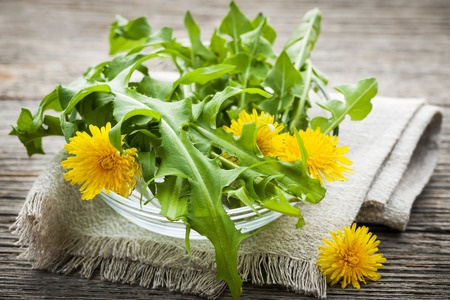
Dandelion. Craving a salad? All parts of the dandelion are edible, and it’s another one of the wild plants that is actually used in non-survival settings from time to time.
You can eat dandelion leaves raw or you can cook them like you would spinach or kale. The roots should be boiled, and once ground up, they make a good coffee substitute.  Additionally, you can also crush the stems of the weed and use the liquid inside as a glue.
Pineapple Weed. Pineapple weeds are named appropriately: the yellow bulbs at the end of their stems look like miniature pineapples.
You can eat both the leaves and the flowers of the plant raw. If you dry out the flowers, you can then grind them up and use the powder like a flour for baking. The leaves can also be brewed in a tea or infused (by soaking in water without boiling) to relieve digestive discomfort.

Monday, 30 April 2018

10 Benefits Of Dandelions

10 Benefits Of Dandelions

It’s hard to imagine that there could be any possible benefits of dandelions – after all,  just the sight of these weeds poking out of the lawn causes even the most experienced gardeners to grimace and immediately find a shovel to extricate them from their new home.
But wait! Before you take another step toward that shovel, just read on about why you actually want to KEEP these weeds in your yard (and why your body and your lawn will thank you for it later).

10 Benefits of Dandelions

benefits of dandelions

1 – Saves $$ On Your Grocery Bill

You don’t have to go to the supermarket to get tons of vitamins and nutrients; in fact, the furthest you need to travel is your own backyard.
Surprisingly, every component of the dandelion is edible and very safe to eat  (as long as it hasn’t been sprayed with pesticides). Even better, every part of this weed also has amazing health benefits!
Here’s a list of just a few:
  • Diuretic – dandelions are an exceptional diuretic, and eating the plant will increase your urine output. This helps rid your body of excess fluids and toxins.
  • Helps Upset Stomach – dandelions (both dried and fresh) gently help to heal upset stomach and can improve digestion.
  • Normalize Cholesterol Levels – studies have shown that dandelions may help lower the amount of bad cholesterol in your blood, while also raising good cholesterol levels.
  • Abundant Nutrition – dandelions are powerhouses when it comes to nutrition, and are excellent sources of: magnesium, folic acid, fiber, zinc, protein, a multitude of vitamins, manganese, calcium, iron and so much more (1/2 cup of dandelion greens contain more vitamins than the average multi-vitamin!).
Edible plants often provide the best nutrition, so save yourself some money and just eat what nature gives you.
Here’s some great information from Dr. Axe about the health benefits dandelions provide:

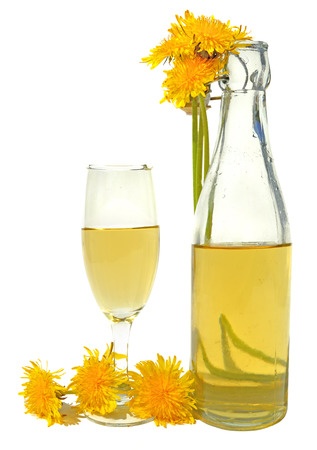
2 – Make Dandelion Wine

benefits of dandelions
Wine just may be one of the world’s great equalizers; after all, if you’re wanting to convince someone to do something for you, what better motivation could you use than wine?
Luckily, you won’t have to search for a liquor store if you’re stranded in a survival situation – you can just make dandelion wine yourself. All you need is dandelion flowers, brewer’s yeast, water, and sugar.
Soak the flowers in water for a few days (maybe two quarts for one batch), then drain the water and add it to four quarts of fresh water, along with any flavorings you want to add (some people like to add a few tablespoons of fruit juices or ginger).
Then add six cups of sugar, and boil the liquid for an hour. Let it cool, and filter it (maybe with coffee filters) to get just the liquid out.
Add a pack of brewer’s yeast, cover it, and then leave it until morning. Pour the liquid into containers and put them in a dark space, allowing them to ferment (about 3 weeks).
After 3 weeks, put a cork/lid over the top to seal the container, and store them up to a year before drinking.

3 – Overcome Illness

Dandelion leaves are essential for making delicious and nutritious dandelion tea. Two tablespoons of chopped fresh leaves in a cup of hot water and steeped to perfection will not only help relieve stress, but also has been proven to decrease bloating, detoxify the liver, and lower blood sugar levels.

4 – Replenish Top Soil

Believe it or not, the dandelion really is the weed you need. For example, if you’ve got an area of soil that’s been stripped of grass, you can actually use dandelions to help replenish the soil. This is because dandelion roots spread wide and deep, loosening hard-packed soil.
The roots also bring calcium and other nutrients from deeper soil up to the top soil, and makes them available for other plants (allowing other plants to grow). Dandelion roots also help to aerate the soil and help reduce erosion.
That’ll make you think twice before mowing over those dandelions next time you cut your grass!

5 – Kill Warts

One of the most surprising uses of dandelions is their ability to kill warts.
I think we can all agree warts are painful, bothersome and just downright ugly. Instead of having to deal with them every day, kill them off with dandelion stalks.
Pluck a few dandelions and cut the flower off the stem with scissors. Then, squeeze the milky liquid from the stem onto the wart. Let the liquid dry, then cover with a bandage. Repeat this process twice a day until the wart is gone completely (about 7 days).

 6 – Strengthen Your Bones

Although it isn’t advertised nearly as often, 1/2 a cup of dandelion greens has more calcium than 1/2 a glass of milk. Just imagine that. They’re also much cheaper than the milk you buy at the grocery store.

7 – Treat Gout, Eczema, Acne

Due to the rich vitamins and cleansing qualities dandelions possess, consuming dandelions has been shown to help treat eczema, acne and even gout. Some reports suggest that making dandelion tea and applying the liquid directly to the skin will help eczema heal even faster.

8 – Dandelion Coffee

Dandelion roots are chock full of nutrients and are great for making a less-harsh, more nutritious substitute for coffee. To get all the delicious nutritious benefits of this “dandelion coffee,” just do the following:
Clean the roots and cut them into small pieces.
Now you can can choose to roast them or keep them as they are.
To roast, spread the root pieces on a cookie sheet at 250° F for about 2 hours. Leave the oven door open while cooking so the roots will dry.
If not roasting, blend the roots (in a blender or food processor) until they are coarsely ground.
To make the dandelion coffee, add 1 tbsp. of roots (dried or blended) to a cup of hot water and steep. Flavor as desired.
Store the roots in an airtight container in-between uses.

 9 – Treat Bruises

Bruises can seem like they take forever to fade, but dandelions will help speed up the process. These flowers are an excellent source of iron, which helps heal bruises faster (especially when due to anemia or low blood iron).

10  – Muscle Relaxer

Dandelions also have the surprising use of creating an excellent muscle relaxer. To save money at the grocery store and go the natural route, soak finely chopped dandelions together with burdock root, yellow dock root and lobelia for two weeks in a quart of rubbing alcohol.
Lather the liquid onto your skin and feel your muscle soreness begin to wane.
Here’s even more useful tips and information about dandelions:

You’ll notice that some of the best ways to reap the nutritional benefits of this awesome plant is by making dandelion tea, dandelion coffee or dandelion wine. And to do that, you’ll need water – a lot of water.
Now if you’re in a survivalist situation, you could go ahead and weigh yourself down with all your water bottles and little containers you’ve filled with water (and pray it’s enough to last you the rest of the week)…or you could just get one of our handy 2 gallon water storage bags.
Each bag is extremely durable, easy to transport (has a strong carrying handle) and has a water-tight seal to keep that precious water inside at all times. Plus, it folds flat when empty, making it an ideal storage item for your survival bag.
Whether you’re in need of water for dandelion tea (or just to prevent dehydration) having a water storage bag with you at all times is just smart prepping.
benefits of dandelions


Wild Camping Tips and Kit List

The first rule of Wild Camping club is...  actually really simple! Leave No Trace: if you take it in, you carry it out. What is wild camp...