Showing posts with label Scotland. Show all posts

Tuesday, 29 May 2018

8 Sublime Wild Camping Spots in Scotland

8 Sublime Wild Camping

 Spots in Scotland

The rules for wild camping in Scotland are quite different to those in the rest of the UK, with it being possible to camp virtually anywhere on unenclosed land. Before you go, do check your intended destination though, as there are by-laws in place for some regions, such as Loch Lomond, and elsewhere there may be other reasons not to camp, such as the area being a live-firing range! However, this warning aside, the vast majority of Scotland is full of possibilities and with so many available here’s our handy guide, choosing eight of the very best locations.
Get Culture Trip in your inbox
By signing up I agree to the service terms and privacy policy

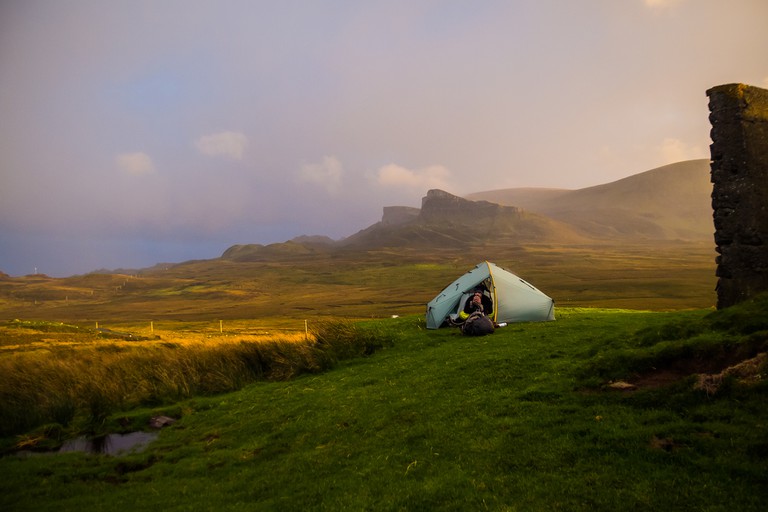
Skye

Many people are drawn to Scotland by the lure of the Isle of Skye. There is no better way to explore the wild coasts, epic mountains, and hidden mysteries of the island, than by walking and camping in these places. Whether you want to risk a high camp among the towering Cuillin mountains, or stay closer to sea-level, there are a wealth of choices available, including a camp among the stunning Quiraing,or the remote Camusanary Bay.
Skye Wild Camp
Skye Wild Camp | © Gary Crawford/Flickr

Harris and Lewis

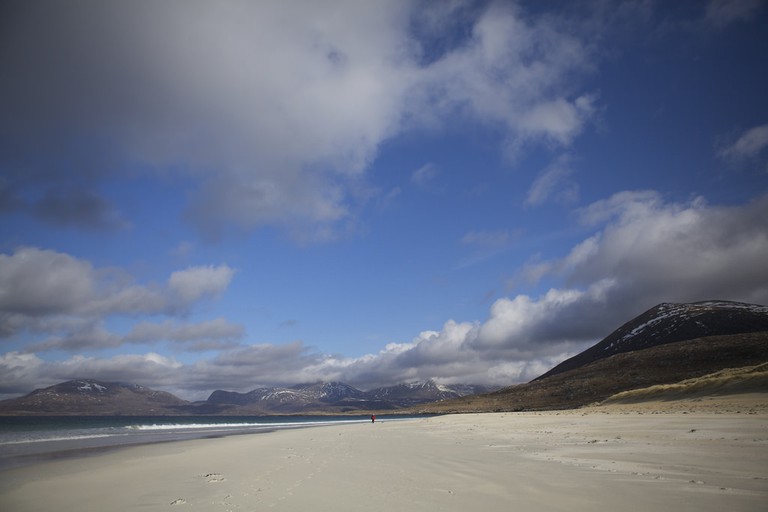
Although each has their own name, and their own character, the island of Lewis and Harris is actually one landmass. If you have transport, or do not mind a long walk, it is easy to find a hidden and beautiful beach or lochan (small lake) to camp beside. You will be surrounded by nature and, if the wind drops enough to hear, an absolute lack of human-related sound. Many of the best places are on the west coast, and some are miles from the nearest road.
Luskentyre Beach, Harris
Luskentyre Beach, Harris | © Jenni Douglas/Flickr

Loch Arkaig

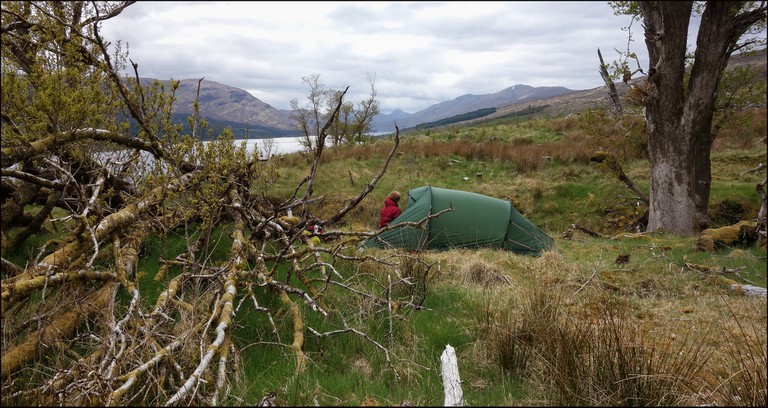
This definitely classes as ‘hidden gem’ and an overnight stay will leave you wondering why so few people visit. An area of legends and history, this 19 kilometre (12 miles) long loch is supposed to have a resident kelpie (water-horse) and is also where treasure chests of gold were allegedly hidden by supporters of Bonnie Prince Charlie. You are unlikely to find either of these, but you will definitely see waterfalls and wildlife in abundance.
Loch Arkaig Camp
Loch Arkaig Camp | © Ted and Jen/Flickr

Ardnish

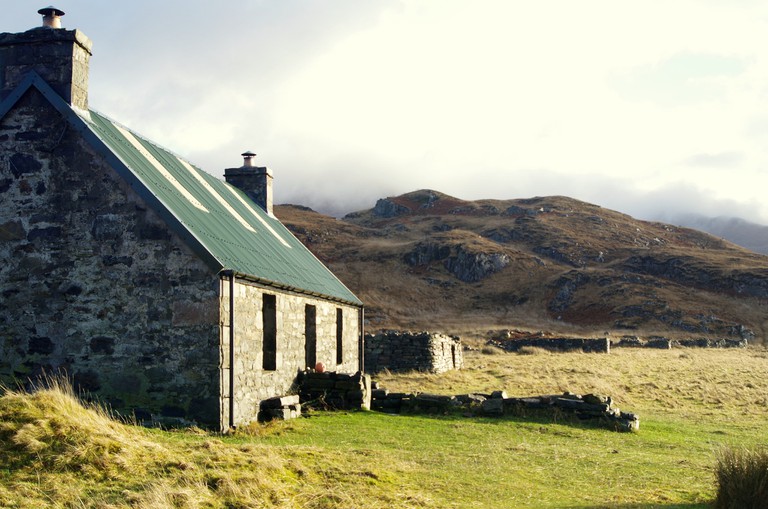
Ardnish is a peninsula in Lochaber, on the west coast of Scotland, not too far from the famous Road to the Isles and the West Highland Railway. What sets this area apart is that, following the Highland Clearances, it is now completely uninhabited. The ruins of buildings of a different time can be found here, and there is a bothy at the former settlement of Peanmeanach. It should be noted that there is often little in the way of dead wood or driftwood here, so if you want to build a fire you will need to carry your own fuel to the peninsula. Despite the extra weight, this is worth doing, as sitting on the beach with a fire here is quite special. The nearby inlet of Loch nan Uamh is where Bonnie Prince Charlie arrived and left Scotland.
Peanmeanach Bothy, Ardnish
Peanmeanach Bothy, Ardnish | © col.b/Flickr

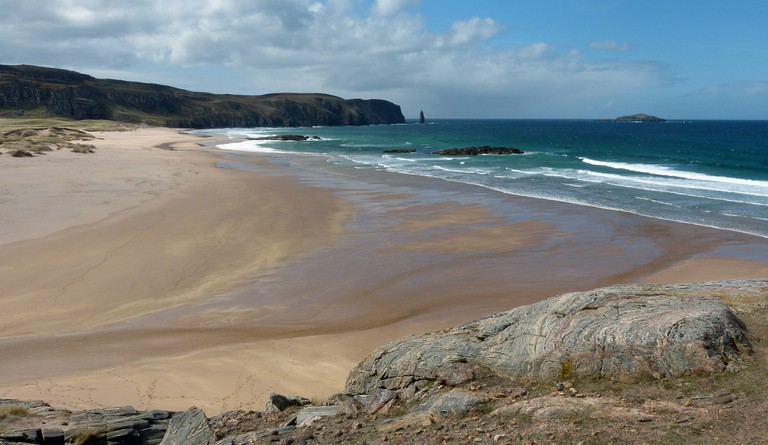
Sandwood Bay

Although this remote stretch of pinkish sand is now much better known than it used to be, it is still rare that a camper won’t have the whole bay to themselves. Situated in the far north west of Sutherland and, like Ardnish, requiring a long walk in, Sandwood Bay is beautiful and worth the effort. With an impressive system of dunes, stunning wild flowers and the impressive sea stack at the southern end of the bay, a night at Sandwood will stay in your memory long after you are home, and that’s not even mentioning the incredible Atlantic sunsets.
Sandwood Bay, Looking South
Sandwood Bay, Looking South | © Andrew/Flickr

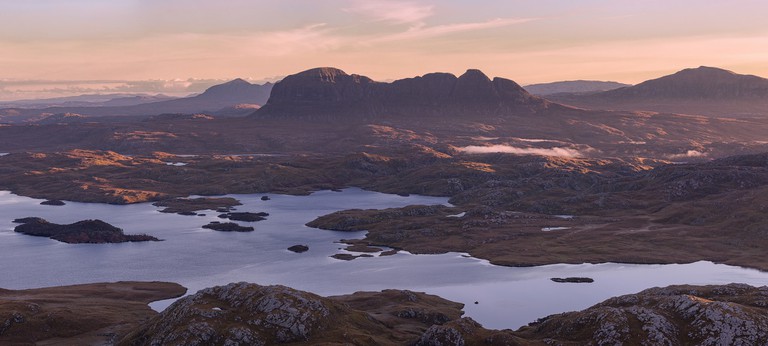
Suilven

An iconic Scottish mountain, Suilven is remote and wild. A wild camp here is an experience you will never forget, but as conditions can change suddenly and without warning, it is not to be lightly undertaken. The walk to the mountain is long, whichever direction you walk from, but it is this sense of isolation and remoteness that makes it such an attraction to the wild camper. The landscape is tough and rugged, but this only adds to the beauty.
Suilven, Sutherland
Suilven, Sutherland | © John McSporran/Flickr

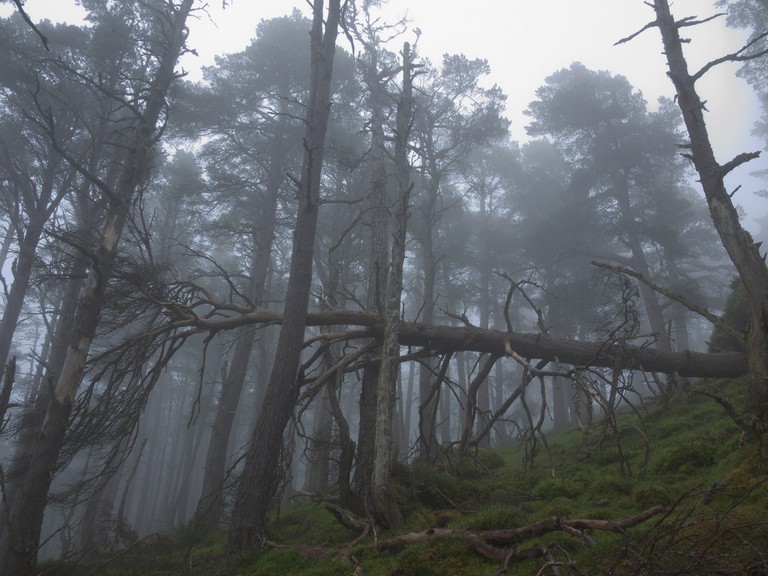
The Cairngorms

The huge area of the Cairngorms offers the wild camper an impressive array of wild camping spots, from those that are relatively easily reached to mountain tops, by way of beautiful reforested glens, such as Glen Feshie. Although the area attracts many people each year, all year round, it is still easy to find yourself alone due to the scale of the place. Some estates, such as Rothiemurchus, offer a halfway point between wild camping and traditional site camping.
Wild Woods, Cairngorms
Wild Woods, Cairngorms | © GariochT/Flickr

Knoydart

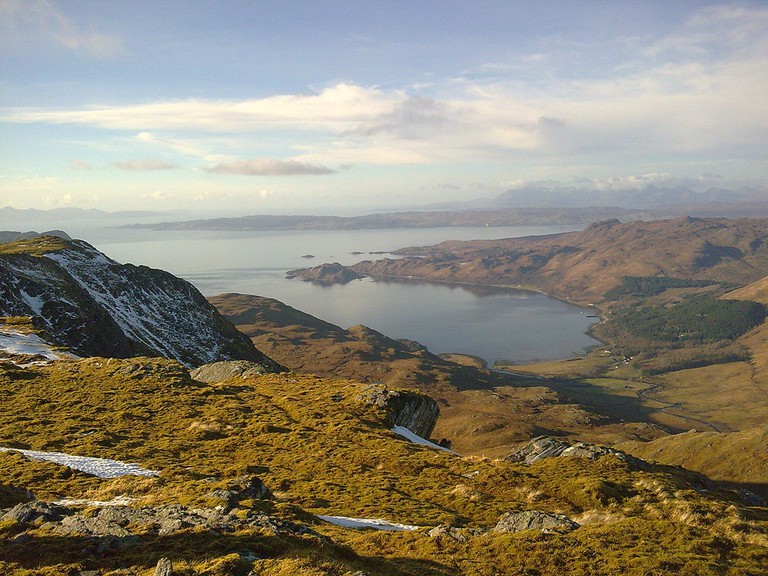
It doesn’t really come much wilder than Knoydart. You can only get here by a ferry to the tiny settlement of Inverie, featuring Britain’s remotest pub, The Old Forge, or by a very long walk across mountains and through glens. This is a place of wild beauty, and your chances of up close and personal encounters with some iconic wildlife, including the rarest of the rare, the Scottish wildcat, are greatly increased by camping out here.

Sunday, 22 April 2018

13 top tips for wild camping

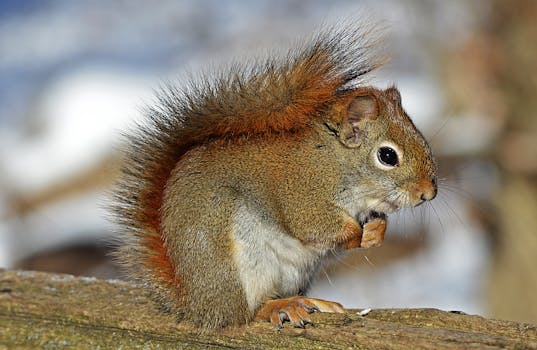
Small Squirrel Standing on Brown Wood

Whether it’s breath-taking wildlife experiences, majestic landscapes or a sense of your very own private wilderness, there’s nothing quite like wild camping in the UK.

Free stock photo of dawn, landscape, nature, sky
In 2015, I left civilisation behind and embarked on a four month solo wild camping trip around the Scottish Islands. I travelled the Inner and Outer Hebrides, the north coast of Scotland, Orkney and finally Shetland, finishing in the beautiful Cairngorms.
I had a one-man tent, a rucksack and my camera. And lots and lots of dried pasta.
Here are a few top tips I learnt from first-hand experience of the challenges I faced, mistakes I made and advice from fellow travellers. I hope I will give you the confidence to go out and try wild camping for yourself.

1. Midge nets

I admit it. They look stupid. They’re annoying to wear. There’s the chance passers-by will mistake you for a wandering beekeeper. But they’re worth it. You can buy near enough full body suits of midge netting, but at the very least have a head net to hand for those muggy, still evenings when swarms of the little blighters are out for blood.

2. Don’t go digital

We’re out of the habit these days, but chances are you’re not going to be able to rely on your smart phone for your information and organisational needs. Write down important phone numbers for emergencies and keep them safe and dry. Take a paper map of the area you’re visiting, and if you’re travelling the islands, have a ferry timetable with you. And think about keeping a diary instead of relying on your phone camera to record your trip.

3. Watch the weather

Heavy and prolonged rainfall can turn trickling burns into raging torrents. There were times I crossed bridges to find remote spots to camp, only to find on my return journey that my exit was blocked by rising floodwater. It’s always worth scouting for high ground when selecting a pitch unless you want to wake up in a puddle.

4. Wet wipes

Enough said?

5. Zip-lock bags

They’re perfect for keeping socks and matches dry, food fresh and dirty laundry separate. There’s nothing worse than a soggy pack full of wet belongings, so line your rucksack thoroughly and pack your wet tent away in a waterproof bag.

6. Avoid bracken

In my experience, the best way to spend a sleepless night defending the inner sanctum of your tent from a Walking Dead- style army of invading ticks is to pitch too close to stands of bracken. No one wants that. Stick to open areas.

7. Buy local

Remote and island communities often have their own community-run stores or post offices which are great places to stock up on essentials and pick up useful local tips and news. Home-grown veg, free-range eggs and Scottish honey are just some of the delights on offer. By buying locally you’re supporting these initiatives and saving yourself the burden of a heavy pack of food to lug around.

8. Good boots

If you’re going to invest in any particular bit of gear, your boots are worth splashing out on. You’re going to be on your feet carrying a heavy pack for much of your wild camping trip, and to find the best tucked away spots you may have to walk a fair distance over difficult terrain. You want good grip to avoid slips and waterproof footwear with ankle support to keep you as comfortable as possible.

9. Keep warm

Even at the height of summer, the nights can get pretty cold. A good sleeping bag is a no-brainer, but think about thermal layers, a snug hat and a mat to keep you off the ground at night. I took a hot water bottle with me for those really chilly nights and had a couple of self-heating gel pads for emergencies.

10. Give yourself a break

If you’re planning a lengthy trip, consider booking yourself the odd hostel or B&B at strategic points along the way. It may feel a bit like cheating, but there will be times when setting up your tent in the rain (again) will be the last thing you want to do, or when you roll off a ferry in the dark and have a difficult search for a pitching spot to look forward to.

11. Menacing wildlife

There will be midges (tiny but unbelievably powerful), ticks (check yourself regularly and note that they won’t always be large and obvious – the most bitey ones are the size of a pin head) and incensed bird parents. Skuas are large and rather menacing, and make a whoosh like a jet plane as they skim past your head.  Terns also use their wickedly pointy beaks to go for the most northerly protrusion of your person. Wear a hat, or travel with a taller companion.

12. Sheep rolling

You’re going to encounter a fair few of these woolly wanderers and it’s fair to say they’re not always the most intelligent of creatures. They sometimes choose ill-advised spots to have a sit down, perhaps at the top of a slope, and when attempting to get up manage to roll onto their back. They’re rotund animals, and their round bellies make it difficult for them to right themselves. So if you come across a sheep on its back, legs peddling the air and a bewildered lamb bleating at its side, do the neighbourly thing and give it a shove.

13. Be polite and considerate

I have to admit that one of my biggest concerns during my trip was that I’d inadvertently set up my camp where I wasn’t wanted. I made sure to be polite and considerate, and if in doubt asked if it would be okay to stay in the spot I’d chosen. Far from being chased off, I found people to be friendly and welcoming, happy to share advice for a good spot to try.

Saturday, 7 April 2018

Wild Camping Part One


Free stock photo of forest, trees, adventure, camping
One of the simplest, most accessible and most rewarding adventures we can have is Wild Camping.
Anyone, regardless of age and ability, can have a go at this and it needn't require great long hike into the remote wilds of the Scottish Highland.
First of the legal side of things. Wild camping is not permitted by law in England, Wales and Northern Ireland (but is also classed as a civil not a criminal offence) unless participants have permission from the landowner (there will always be someone as all land in these countries is owned). However, practically a number of places tolerate wild camping as long as a code of ethics is adhered to. Good examples of these locations are Snowdonia and the Lake District National Parks. Both locations' official websites have pages dedicated to dealing with the issue of wild camping and his allowance along with details of the codes of practice one should stick to.
Snowdonia. (Frequently Asked Question - currently the 5th questions down deals with wild camping)
Dartmoor: Dartmoor is exceptional in that wild camping is actually actively allowed as long as the group size is small (think one or two tents), you spend no more than two consecutive nights on the same spot and you camp more than 100m from public roads, enclosures or other restricted areas. A full map of the areas where you can wild camp under these conditions can be found at the following webpage:
One of my favourite places to wind camp is on beaches. Like the rest of England, NI and Wales it is not permitted unless you have the land-owner permission but these hidden spots are often more accessible than the hills for some people and young children.
Scotland is much more easy going than the rest of the UK and the right to roam applies almost anywhere. You can wild camp in any area of wild land as long as you follow the general code.
The official guide from Scotland's Tourist Department offers some advice:
and you can download the official guide to how you should conduct yourself here.
The only exception to all this is around Loch Lomond where camping is forbidden due to past campers leaving rubbish, damaging the area and generally getting drunk and upsetting the locals. Which goes to prove the freedom to wild camp is a privilege not a right and if we wish to continue to experience the joys it brings we must apply a bit of common sense and respect to our approach.
The most important parts of the general code of conduct are:
-Take all Litter away
-Leave the site as you found it -no holes, no fire damage, no litter, no damage to vegetation. And if you see any litter (even if it's not yours), pick it up and take it home...it's all good karma.
-Minimise disturbance to people and wildlife (camp out of site, minimise noise and light)
-Keep groups small
-Only stay for one night (in some places, e.g. Dartmoor and Scotland, you can stay for more)
-Any toilet duties should be carried out as discretely as possible and should be a minimum of 30m from any water course.
A simple guide of how one should conduct oneself whilst wild-camping can be summarised as:
"If, when you leave in the morning, there is no evidence of your visit and no-one will ever know you've been there then you've probably done things right"
Having dealt with the legal side of things next month I'll look at some of the essential, basic kit you'll need to have a safe and comfortable night out under the stars.

Wild Camping Tips and Kit List

The first rule of Wild Camping club is...  actually really simple! Leave No Trace: if you take it in, you carry it out. What is wild camp...