Showing posts with label fire. Show all posts

Wednesday, 18 July 2018

The 5 Most Important Survival Skills When You’re Lost In The Wilderness

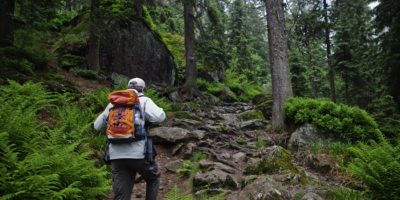
The 5 Most Important Survival Skills When You’re Lost In The Wilderness

Image source: galleryhip.com
You don’t necessarily have to know 200 ways to sharpen a knife, but if you’re new to the art of bushcraft/survival you will want to make sure that you’ve got a few of the basics out of the way prior to your first serious group outing in the backwoods.
This knowledge also is important for any survivalist for the simple fact that it can be useful for anything from a time when you’re lost in the wilderness to a bugout operation when the big one hits. The five following skills are critical areas of study to master before you find yourself in the middle of nowhere.
No. 5: Tracking
The science and art of tracking is basically the study of how to interpret what the land is telling you about recently transpiring events within the immediate vicinity. Whether it’s a fallen tree, a deer track, a human footprint or a broken twig, the land itself tells a story. And you need to learn how to read that story. Trackers are essentially detectives, but without the chalk outlines and paperwork.
Tracking knowledge is not just needed for hunting and trapping. If you know what you’re doing, you’d be able to tell if there’s a nearby human presence (which would be a critical skill during a bugout situation). This is one reason why elite combat units learn tracking – it helps them determine troop strengths and their corresponding movements.
No. 4: Weather
A few years back, I had mulled over the idea of purchasing an altimeter wristwatch. I wanted the slight edge of being able to predict immediate changes in local weather. Let’s face it, knowing what the weather is going to do on any given day would give me a HUGE advantage, especially during a 24/7 post-bugout situation.
Well, it didn’t take me long to realize that I’d have to drop at least $200 to get one that actually worked the way I needed it to. After I spoke with the owner of the hiking store I frequented, he literally said: “Dude, I wouldn’t get one. For why you need it, just learn to study the clouds.”
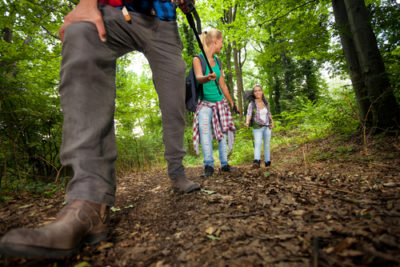
Image source: survivalbased.com
What a novel thought, right? Needless to say, knowing how to predict the weather while in the field is a huge necessity. But purchasing expensive gear in order to do so is not. If you learn how to interpret signs in the sky, then you’ve just saved yourself a pretty penny on gear you didn’t actually need in the first place.
No. 3: Shelter and Fire
These two topics are probably the most obvious on this list because exposure is one of the biggest killers in the field. If you can’t build a fire then you could be up a creek, especially when the temperatures begin to plummet.
This skill will be your key advantage in everything from signaling for help to cooking your day’s catch. Perhaps the most commonly held requirement in the business is that you should know at least five ways to build a fire, including at least three “primitive” methods.
Having shelter, like having fire, is crucial for staving off hypothermia. If properly built, your shelter should also keep you dry during rainy nights. It’s also a way to keep that sleep-robbing mental boogie man at bay while you’re out there in no man’s land. In order to be prepared, I recommend knowing how to build the basics: a debris hut, lean-to, A-frame, and wickiup are common but time-tested shelters.
No. 2: First Aid
Think about it. If you’re in a survival situation, then how did you probably end up in that predicament in the first place? It’s usually because something unpredictable happened, like capsizing your canoe on the Snake River or flipping your sedan in the Adirondacks. And when people find themselves in these scenarios, injuries are usually an accompanying factor.
If you’re well-studied in first aid, then you’ll know precisely what to do when somebody on your team (or you) is bleeding, has a broken bone, or desperately needs their body’s core temperature increased after a fall into that breathtakingly frigid mountain river.
By the way, having even basic medical knowledge will make you indispensable in a disaster scenario. Your team might just want to do their due diligence in protecting the one guy that knows how to fix a nasty knife wound.
No. 1: Land Navigation
This is my No. 1 for a very, very good reason.
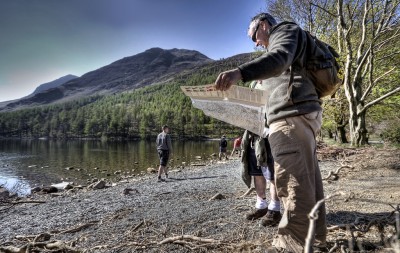
Image source: oars.com
If you’re in a 72-hour survival scenario, and ESPECIALLY if you’re rolling full-steam toward your retreat, then there’s no way you’ll succeed in arriving safely at your intended destination without knowing where you’re going. Quite frankly, if you have no clue how to get around without your GPS, then you might as well have just stayed home in relative safety.
Getting lost could walk you right into hostile situations. It also will increase your bugout time during a very chaotic and dangerous time. And worst of all, you might not even make it to your retreat because you run out of roads to follow. Following a road is easy. Moving from point “A” to “B” over dense, foliage-covered land is not, especially if you have little or no experience in doing so.
In the same way, knowing how to orient yourself after you just wound up on a river bank, soaking wet with all your gear being churned with the rapids could profoundly reduce the time it takes to get you back home.
Let’s Get After It
Getting where you’re going and accomplishing this in a non-bleeding or broken or freezing or dehydrated or lost fashion is always the primary objective. So study up on Google, YouTube or any of the many other resources out there and get prepared.

Monday, 16 July 2018

Six survival skills you should learn now

Six survival skills you should learn now

Top six survival skills to learn now
There are a lot of things that you could possibly spend your time on to get yourself ready in case you’re lost in the wilderness while hunting or checking out your bugout route. I debated how many categories I wanted to have but I think I came to a decent compromise. Here are the top six skills you should learn now, before you find yourself in a situation where you need to use them.
They’re not the only skills you need but you have to start somewhere. For example, I left out Navigation. It’s an important skill but not as critical as the ones below. In most cases, you should be sitting still and waiting for help but If I were to make this the Seven Survival Skills you should learn now, I’d put navigation next. On the off chance you really need to be traipsing off into the wilderness, you’ll need to navigate. The problem is that every hour you spend learning how to navigate is an hour you aren’t learning how to keep yourself alive that day. You don’t have an unlimited amount of time, so you have to prioritize things. I’d rather be someone who knows the list below first and then starts working on other things like navigation and plant identification after they get these down. Navigation is an everyday skill that you need when you’re in the wilderness so you don’t need to survive. It’s a survival skill only when you messed something up – like navigating in the first place. Not saying you shouldn’t learn navigation – you should. Just doesn’t do much good to know how to walk your ass out of the woods for three days if you die the first night. Once you have these 6 covered, consider navigation as well as several other skills such as making cordage etc.
That being said, since we don’t know what situation you’re gonna be in, navigation, or any other skill not listed here, may be the most important one to learn to keep you alive someday. You really need to know what you’re prepping for and rebalance as necessary. If you know you’re heading out into somewhere that you may not have rescue coming, you need to pull navigation into your required learning. Or whatever else may be able to help.
Obviously, each of these categories could fill an entire book so I’m just gonna explain why I chose each and give a few examples to get you started.
There are six top skills you should focus on learning. You should also pack your bugout bag and EDC with equipment to help you with each of these skills:
  • Fire

  • Water

  • Shelter

  • Food

  • First aid

  • Signal

Fire

The first survival skill you need to know is how to make a fire. Why? It’s hard to know exactly which skill is the most important in any situation but in general, I think making a fire is the most important. With a fire, you can keep yourself warm, purify water, see in the dark, cook food, signal for help, make tools, sterilize surgical equipment and protect yourself from critters. Having a fire is also a huge psychological advantage. Plus, it’s a manly-mans skill to know.
You should learn at least three ways to start a fire. If you’re heading out to an area and know this in advance, you should learn how the local people use local resources to start fires there. One of the best people to learn this from are native people who’ve been there for hundreds of years. Actually, this goes for all of these skills except maybe signaling for rescue.
A big part of having a fire is actually building your fire site so it’ll not only catch, it’ll stay lit. You need to know the basics of how to build a fire as well as some local materials that you can use for tinder, kindling and fuel wood. If you don’t get this part right, it won’t much matter what you use to try to light it.
The first method you need to learn to build a fire is using whatever gear you bring with you. Hopefully you have a bugout bag or at least an EDC kit. Hopefully you’ll at least have a lighter. A stormproof lighter is a better choice than a regular one because, well, I’m sure you can figure that one out. You should also carry some kind of ferrocerium rod with magnesium that you can flake off. You should always have a cheap 99 cent lighter as a backup because they’re just hella cheap and work in most conditions.
Here’s a video to show you how to use a ferrocerium rod, also called a fire steel:
You need to learn at least two other methods of how to start a fire. Since I don’t know where you’re gonna be when you need to start a fire and your lighter/rod isn’t available, I’d suggest learning how to start a fire with a fire bow and with a hand drill. They’re both a lot of work so go for the lighter if you have one.
How to start a fire with a fire bow.
How to start a fire with a hand drill.
A must-have item in your pack should be a cheap fresnel lens. They’re only a few bucks and about the same size and weight as a piece of paper. I like these so much I did a whole review on them.

Water

The next skill you need to have is how to get water you can drink. Depending on your circumstances, this one may actually be more important than getting a fire. You can go 2-3 days without water but you’ll start degrading long before that. You should be thinking about your water situation as soon as you figure out you’re screwed.
I carry a Sawyer Mini water filter in my bugout bag but I know most people prefer the LifeStraw filter. You should look at both. I even keep a MINI  on my motorcycle as well as in my personal go bag. It’s a handy little thing that doesn’t take up much room.
If you have a fire then boiling your water is usually the best way to make it drinkable. It’s not a 100% solution but it’s pretty close. If you don’t have a container that you can put water in and sit in the fire, heat up rocks and drop them into your water.
If you have a plastic bag, you can collect water from plants.
With a little more work, you can create a solar still, which works off the same principal.

Shelter

If you don’t have a tent with you for some reason, hopefully you at least have a tarp. You really should get a tent though. They’ve come a long way and you can get really nice ones that you can fit on or in a bug out bag now.
In case you don’t have anything, you should at least learn how to make a debris shelter. They cost less effort than most shelters as long as you have something available in the area. They won’t stand up to heavy winds though.

Food

Once you’ve gotten fire, water and shelter, you probably want to be thinking about food. You may be able to go a month without food without dying but in addition to the incredible amount of suck there is without eating for several days, you start losing energy to do things. One of these things is thinking. If you don’t have food in your belly, you’ll eventually start making mistakes a lot more often.
Hopefully you brought some MREs with you or at least some kind of emergency rations. I also keep a small container of olive oil because you can’t beat the amount of calories it packs per ounce and it can be used for other things.
If you don’t have food with you, you’ll have to find some. If you have a river, lake, or ocean around, fish are one of the best foods to go after. Obviously, you can make a hook and may be able to find some kind of line and some bait but a basket is usually a better option. Here’s one way to make one using vines.
For small animals, a snare trap is a great thing to learn because it’s not too difficult, can work if placed in the right spot, and you’ll probably be able to find material for. You need to do it a couple times so you know how each piece works in the system. I’d suggest putting it on a path where you can see small animals go through or making a trail funnel with some logs or stones to force them to go where you want.
You should also become familiar with the plants and animals in whatever area you’re thinking about going into. Plants are the safest and simplest way to eat but you have to know what you’re doing. I don’t care what they taught you about the Universal Edibility Test though, it’s crap. You shouldn’t be eating something if you don’t know what it is.
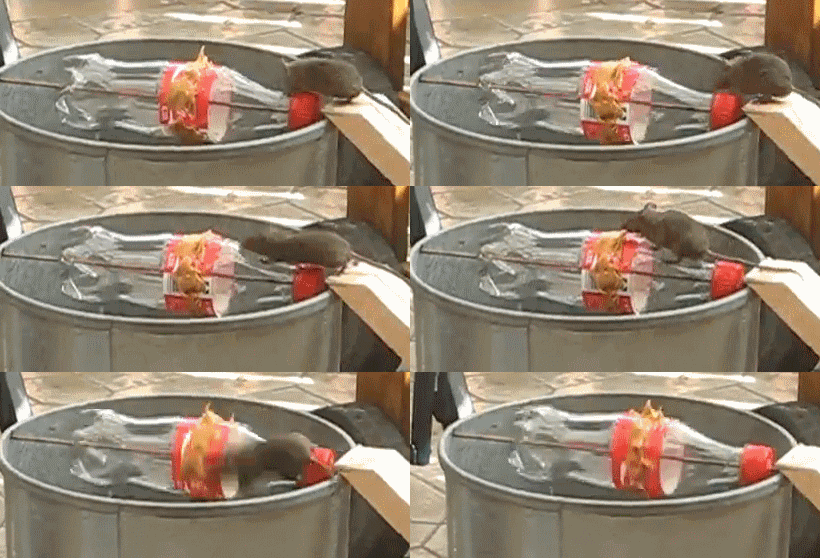
Here’s another pretty simple redneck mousetrap that you can use for more than just mice. I don’t know who originally filmed this gif (let me know if you find out) but it’s pretty much everything you need to know to make one yourself. The concept is pretty simple. Just use what you have available even if you have to dig a pit and put a smooth stick across it with a coke can or something:
redneck mousetrap

First aid


Hopefully you’ve brought along a first aid kit. Even if you did, you still need to know how to use it. I’d suggest getting EMT certified if you can. If you don’t have the time or inclination to do that, at least get good book on survival medicine and study it.
For the most part, you need to know the basics of keeping a wound closed and clean, setting and immobilizing broken bones and identifying/treating for shock, hypothermia and heat exhaustion but you need to learn more if at all possible.

Signal

If you’re stuck out in the wilderness, hopefully you were smart enough to let someone know where you’re going and when to expect you to make contact. Or, you may be out there because your car broke down or your plane crashed. In any of these cases, your best bet is to sit tight and wait for rescue. That doesn’t mean that it’ll be easy to find you, even if they know where to look. You need a way to signal someone passing through that you’re there and need some help.
The big key is to be noticeable. If you can’t stay out in the open, put something out in the open that they’ll notice. Try to use movement, color and shapes that don’t fit in the area. Try to make it unusual. If you’re in the US, do things in groups of threes like three logs laid out in a field or three rocks together. In the UK and the Alps, use six.
Also consider building signaling into your equipment by doing something like sewing a rescue signal panel into the inside of your jacket or have a way to hook it onto the outside of your tent.
If your bag has a ham radio, try 156.8MHz or 2182kHz. You’ll want to save your battery so just pop up on the radio occasionally or if you hear or see anyone. Get as high as possible. The BaoFeng UV-5R is EXTREMELY cheap. It also has frequencies on it that you don’t need a license to use.
Because they use aircraft for search and rescue, it’s a good idea to have a way to communicate with them. A signal mirror is a pretty good thing to have because in the daylight, it’ll allow you to do just that. They don’t take up too much room in your bugout bag and can even fit into your EDC (are you getting the idea yet that you should have an EDC kit and bugout bag already figured out?). By the way, EDC means Every Day Carry. It’s what you have with you at all times during the day that you don’t ever set down.
Here’s an old WWII training video on how to use one.
If you’ve built a fire previously then a signal fire is also a good idea. The key is to have it ready to go when you see or hear someone and have it in a place that they’ll notice.
There are a lot of different things that you can do to prepare for being stranded in the middle of nowhere but the key is to start preparing now. You may not have any equipment you need (but hopefully you at least have a knife, lighter and a flashlight) but with the right knowledge and skill (some of this stuff requires practice), you’ll do fine. If you’re like me, you like to read and research things that you learn. I can only go over so much in an article but a book like SAS Survival Handbook, Revised Edition: For Any Climate, in Any Situation has a LOT of good information in it. It’s the best one I’ve found so far to teach you how to do these things.

Thursday, 14 June 2018

The Only 4 Things You Need to Survive in the Wild

If you want to know how to survive in the woods or wilderness, then the first thing you need to know is this: always be prepared. You don’t want to be caught without supplies. Never go for even a “short walk” in the woods without bringing a fire starter, knife, water, and rain jacket. Even if you don’t plan on going into the wilderness, you still need to be prepared with survival gear. Keep a car emergency kit in your vehicle in case you break down on remote road. Keep a bug out bag packed in case you need to flee.
But you can’t always be prepared for everything. Take the case of Autumn Veatch, the teenager who survived a plane crash and then days in the wilderness – despite having no supplies and being injured.
It isn’t just plane crashes which could leave you stranded in the wilderness with nothing. You could go for a hike, fall into a river, and have all of your gear wash away. Or you might get abducted by a nutcase and have to escape your abductor through the woods (yes, this has happened many times).   The bottom line is that you need to be prepared for anything by knowing how to survive in the wilderness.

You Only Need 4 Things to Survive in the Wild

Unless you are injured or sick, there are just 4 things that you need in order to survive in the wild. Yes, only 4!
FREE 5 Day Bug Out Bag Challenge: How to Build Your Bug Out Bag Step By Step
  1. Water
  2. Shelter
  3. Food
  4. Warmth
Hopefully you will have survival supplies to help you get these 4 things  – like having emergency food and water rations, a tent for shelter, and matches so you can make a fire to stay warm. But, if not, don’t despair. You’ve got a lot more resources around you than you realize! If you are ever lost in the wild with nothing, just follow these steps.

1. Find Water

The first thing you need to survive in the wild is water. You can only go 3 days without water before dying, but you’ll be extremely dehydrated long before those 3 days are up. Hopefully you can find a stream or creek to drink out of. If you can’t find a ready supply of water, then you can use these tactics to get water:
  • Collect Dew: Take your shirt off and press it onto the ground to collect dew. You can then wring the dew into your mouth or into your water bottle.
  • Drag a Piece of Cloth Behind You: There is a lot of water in the woods on plants. Drag a piece of cloth behind you (or wrap it around your legs and walk through thick brush). The cloth will collect the moisture and you can wring it out into your mouth.
  • Follow Ants: If you see a train of ants going up a tree, it is probably because there is a cache of water in a groove in the tree.
  • Travel Parallel to a Mountainside: If on a mountain, cross it by staying parallel. Mountains usually have streams going down them so you are likely to come across one eventually.
  • Dig for Water: If you dig, do so at places like dried-up streams and areas with a lot of lush foliage.
Read this post to learn more ways to find water in the wilderness.
And remember that water from lakes, streams, and rivers should always be purified before you drink it, even if it looks clean! Read this post to learn how to purify water in survival situations.

2. Make a Shelter

You will need a shelter to protect you from the elements. A shelter can also help protect you from some wild animals as they are more likely to attack you if you are in the open. Making a survival shelter in the woods is actually fairly easy. Remember to have your shelter made before it gets dark!
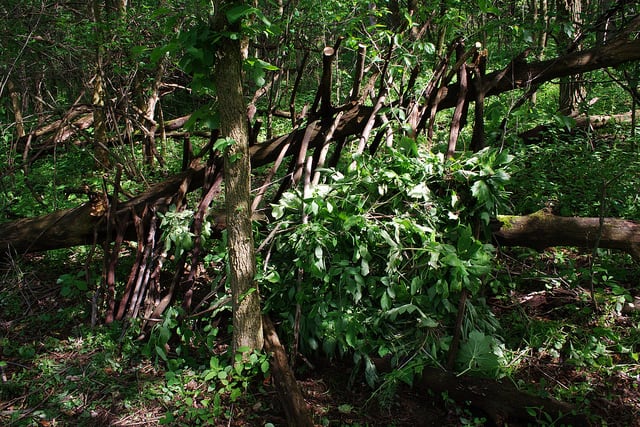
My favorite shelter for how to survive in the woods is the “fallen debris shelter.” You just need to find a fallen tree. Then pile some large branches against it to act as a shelter wall. Then you fill in the gaps with smaller branches. There are many other ways to make shelters in the wilderness though. Read this post to see survival shelter designs.
debris shelter design

3. Stay Warm

Temperatures can drop really quickly in the woods, so you better prioritize warmth. Staying warm is actually just as important as food for survival. And, if you are cold, then your body is going to require more food.
A well-built survival shelter will help you stay warm by trapping in your body heat. But you do other things to improve your warmth.
One of my favorite stories about how to survive in the woods is that of Susan O’Brien. She survived a night in the woods by burying herself in dirt to stay warm. Dirt is a great insulator for when you don’t have a blanket. You could also use fallen leaves, pine needles, or other debris.
Another way to stay warm is to make a fire. But, if you are lost in the woods without matches or a lighter, then this is going to be problematic. Unless you are some sort of wilderness MacGyver, don’t even bother trying to rub two sticks together. You’ll just end up with 2 warm sticks. Save your energy and snuggle up in your debris bed instead. Or, if you absolutely must make fire, then try these methods of making fire without matches.

4. Find Food

There is actually lots of food in the wild – so long as you know where and how to look for it. In survival situations, these would be your primary options for food:
  • Wild animals
  • Wild plants
  • Insects and bugs
Sorry to break it to you, but catching a wild animal for food is a lot harder than it seems. Even if you have gear, it is really difficult! The one exception to this is if you are stranded near some sort of lake. Then you should try one of these methods for fishing in the wilderness.
The better option for wilderness survival food is to eat bugs. Yes, I know this probably seems gross to you, but most bugs are edible and actually very nutritious.
As for eating wild plants, never eat a plant unless you are 100% sure it is edible. If you eat an inedible plant, you could end up with diarrhea, and that will kill you a lot faster than hunger! In desperate situations, you can use the universal edibility test to tell if a plant is safe to eat.

Wednesday, 13 June 2018

5 Simple Survival Skills To Teach Your Kids

If you’re lucky, smart, and prepare ahead of time, most of us won’t find ourselves in a desperate survival situation.
But, if you do something dumb, or forgot (or lost) some important gear, or are just dang unlucky that day, you may find yourself in some serious trouble.
Your kids can much more easily find themselves in these same situations.
This is especially true for us country folks. When your back yard is 40 acres of woods that all look the same to a 10 year old, it’s actually pretty easy to get lost by playing around outside.

Five Easy Survival Skills Your Kids Can Learn

When in these situations it is important to know some basic skills so that you can survive long enough to be rescued. There are 5 basic survival skills that everyone should know…
They are: your mindset, how to find water, building shelter, building a fire, and making sure you have a food source.

Mindset

It’s been said that in a survival situation you can live 3 weeks without food, 3 days without water, 3 minutes without air, and 3 seconds without a clear mind.
If you are caught in a situation where you actually need your survival skills, the most important of all will be your attitude.
By attitude I mean you have to feel like you will survive and keep your wits about you. You need a clear mind and a “I’m getting out of this” mindset. If you start to feel like you’ll never get rescued, you panic and do dumb stuff.
Even more so for a child.
Survival situations will call on your primal instincts, those instincts are mostly driven by fear, love, and anger. A few learned skills will see you through most any tough spot, but not if you’re freaking out or have no hope.

Water

Remember that whole three thing? Three days without water is a maximum for most because they are already dehydrated.
The funny thing is you’re stomach will scream for food after just a few hours and you’ll feel like crap (mostly from the sugar crash), but food is one of the last priorities. You’ll be just fine without eating for weeks.
Focus on water. Find it, purify it, drink it, and store it for later. The first thing to know is that water naturally will run downhill, so that is where you will find it.
basic survival skills to teach your kids crossing water
You may also find that following a water source will eventually lead to some form of civilization. This is a blanket statement and not always true, but generally it can help if you have absolutely no idea where else to go.
Also you need to be aware of animal tracks. You can often follow tracks right to a water source. Animals need water just as much as you do to survive, and they will know of any available water sources.
Make sure your water is “clean” before drinking, or at least learn how to properly boil water (yes, there is a wrong way) before going out.

Shelter

If you believe that you will have to overnight before being rescued the next order of business is to get a shelter built.
Now, it can be a toss up between whether fire or shelter is more important. If you have time build both, but if it going to be dark soon you’ll have to make a judgement call based on your situation. For instance if it’s very windy or might rain, shelter is your first choice. But if it’s a nice 70F night you may want to focus on a fire first because anyone looking for you could see and smell the fire too.
Usually it’s worth at least taking 30 minutes to make a thick layer of leaves into a bed so you don’t lose insane amounts of body heat from direct contact with the ground before considering a fire.
Your shelter does not have to be a mansion, but something substantive enough to keep the elements like rain, snow, and wind off you is important. At least a bed of leaves or broken tree boughs on the ground will let you keep your body heat.
basic survival skills to teach your kids sitting on rock
You should build your shelter with just enough room to lie down. Your body heat will help keep your shelter warm, so the smaller the space the warmer it will be.
Conserve valuable energy by making your shelter as simple as possible.

Fire

Fire is an important skill because losing body heat can kill you just as quickly as lack of water. Building a fire will also help signal your location and may be needed to purify water and cook once you find a food source.
The most important part of building a fire is the location. You will want your fire to be as small as possible so that it uses minimal fuel.
The fire needs to be located in a place where the wind will not blow directly on it; typically a large boulder works well in this situation.
You will need tinder, kindling, and logs.
The tinder is tiny and fluffy, and will spark the fire into life. Old, dry grass makes great tinder.
Kindling are pencil sized pieces of wood that will build some real flames. Leaves and pine straw can also help the kindling along, but they burn so quickly you’ll have a hard time getting larger logs to ignite without some actual wood kindling. Start with the smallest pieces and work your way up to finger sized pieces.
Logs about the size of your lower arm are your main source of fuel for your fire. They should be dead and dry, but not rotten. Collect as much as you think you’ll need, then get 3x that much. Everyone always greatly underestimates how much wood they need for a night.
Don’t just throw the logs on every which way either, cross them or lay one end on top of another so that air can flow.

Food

Keeping your energy up is important, you will be burning a lot more calories than you are used to burning. Thy won’t just be sitting around on a couch all day. All this survival stuff is hard work.
The thing about food is, if you don’t know what it is then don’t eat it! Contrary to popular belief, plants are not your best avenue in a survival situation.
If you do not know exactly what you are doing you can actually end up poisoning yourself for a measly 10 calories. Plants have very few calories and the risk is never worth it unless you are 9000% sure.
There are some food sources that are a sure bet, but unless you think it will be days or weeks without rescue you’re better off forgetting food.
Any mammal that has fur is edible and will provide good nutrients, but catching them is another story. All insects, the six-legged variety, are edible as well, but not appealing at all. You can eat the dang worms, but don’t expect to like it.

Parents, Be A Sneaky Teacher

Make an effort to turn every camping trip and day hike into a learning experience. If your kids come back with just one new skill you’ve accomplished a lot.
basic survival skills to teach your kids map
We all know the honest truth is if you can even get your tween and teenage kids to look up from their phones you’ve accomplished something.
That’s why you have to do two things. First, ban all electronics. Make sure the phones are cut off. Secondly, teach without being obvious. Kids want to have fun, and kids tired from a hike want a couch more than anything else.
Learning how to drink river water without pooping your pants isn’t very fun to most kids. This is when you can be sneaky and drop in some little lessons along the way. If you make a big deal about teaching them the day might feel more like a school lesson and your kids will zone out.
A walk in the woods can easily become a lesson just by pointing out a few things or demonstrating some skill, like stopping at the steam to show them how to use a water filter, or how to build a proper campfire that night, or even how to set up a simply tarp shelter to block the wind.

Show Them The Landmarks

Make your kids aware of his or her surroundings while they’re with you.
basic survival skills to teach your kids lost pinterestSay things like, “That’s a big hill over there” or “Did you know the lake is down by those oak trees to your left?”.
Don’t be annoying with it, but a quick comment every now and then will help them stay oriented and teach them to keep an eye out. Before you know it they’ll be pointing landmarks out to you.
Pointing out landmarks and obvious features isn’t just for camping trips either. This can be especially important if you’re walking in your own back woods (or down city streets) as they will quickly learn what to look for if they wonder off one day.
Don’t be afraid to start young either. You can point out landmarks as young as 4 or 5 and slowly go from there into more advanced survival skills as your child grows up.

Make An Easy (And Cheap) Kids Survival Kit

Give your kids their own mini survival kit. You’ll have to make one yourself, so it’s a good family project and a learning experience all in one.
You can even suggest your kids give a survival kit as a gift to their friends. Hopefully this will help your kids grow up with buddies fully aware and just as prepared as they are for any emergency.
A kids kit is essentially a simplified and lightweight adult kit with maybe no fixed blade knife. Here’s a list of some basic things to include in the kit:
1. Mini first aid kit– This box should be kept in the kit and the child should also be taught how to use all of it. You can fill the box with a few bandages, gauze, some cotton, scissors, a few swabs of cotton dabbed in alcohol that’s packed, some cough drops and a pair of gloves would be a nice idea too. If you want you can also add a few safety pins, a sanitizer, a bit of string, and Q-tips. Teenage girls might also want to add a few personal items too.
2. Fire starter kit- One of the most important survival kits, but also not to be trusted with younger kids. You can teach your kids how to use a basic lighter, or something more complicated like a flint and steel, or maybe some simple waterproof matches for small fingers that may have trouble with a lighter. Make sure you emphasize to them the importance of personal safety and teach them what the word “arson” means.
3. Water purifier– This should also be taught to your kids. Don’t assume they’ll understand how it works or how to keep the “clean” end clean so they can have reasonably safe drinking water. An empty bottle, preferably stainless, should be in the kit too for boiling.
4. Compass and a topo map- With the knowledge of how to read both and locate themselves should be provided to all your kids. Mark any known points of civilization, such as your weekend campsite, on the map yourself so your kids know exactly where to go. Teach them how to spot landmarks and how to follow a straight line up hilly terrain.

Final Thoughts

Your mindset, finding water, finding shelter, building a fire, and foraging for food are 5 basic survival skills that we should all know at any age. 150 years ago we all knew these things, but now they must be learned on purpose. These skills, combined with some basic tools, can be the difference in your ability to make it out of a tough situation alive.


The best gift you can give your kids is to make them self sufficient and independent while they’re still young with a mind for nature and prepping for the unknown. In times of a crisis or an emergency, their survival training and true grit will decide if you get to ever tuck them in bed again. Make sure you do your part.

Wild Camping Tips and Kit List

The first rule of Wild Camping club is...  actually really simple! Leave No Trace: if you take it in, you carry it out. What is wild camp...